

Why the Trump administration’s stance on South Africa demands a measured but firm response
Executive Summary
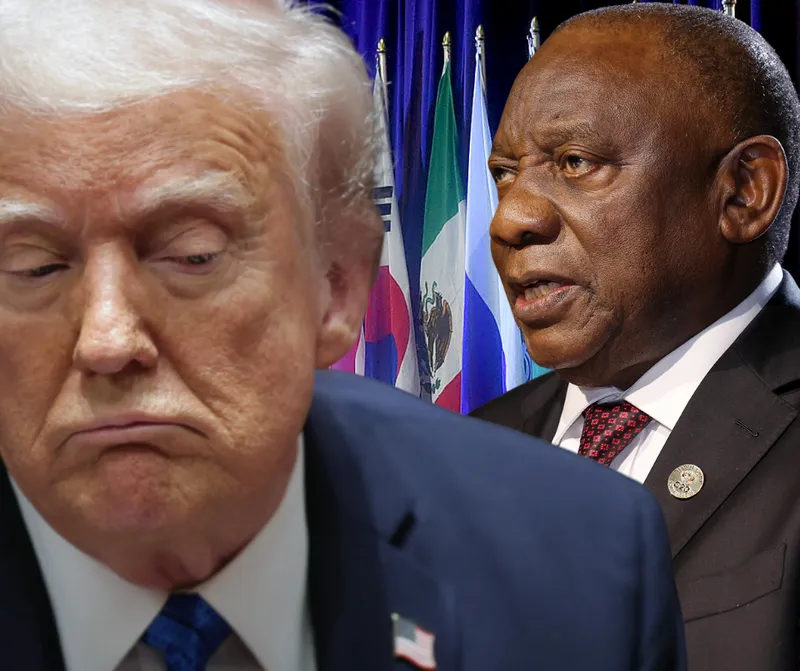
The article critiques President Donald Trump's recent statements on South Africa, particularly his promotion of the debunked 'white genocide' conspiracy theory, as a deliberate distortion of facts aimed at political and economic pressure rather than ignorance. It argues that US intelligence is aware of the absence of evidence for such claims, highlighting Trump's pattern of weaponizing misinformation. The rhetoric targets South Africa's independent foreign policy, which conflicts with US positions on issues like the Israel-Palestine conflict, Russia-Ukraine war, solidarity with Cuba, and partnerships with China and BRICS, viewing it as defiance against US dominance. Economically, Trump's antagonism seeks to weaken South Africa's government to secure access to its 15 critical mineral resources amid US-China competition. His suggestion to exclude South Africa from the G20 is portrayed as an act of destabilization undermining multilateral cooperation. The piece praises President Cyril Ramaphosa's measured, principled response, emphasizing maturity and commitment to formal diplomatic channels. It advises South Africa to avoid inflammatory retaliation, engage diverse US stakeholders beyond the White House—such as business, civil society, and institutions—for long-term stability, and uphold its values of multilateralism, sovereignty, and global justice, noting that Trump's tenure is temporary while South Africa's strategic importance endures.