

South Africa's G20 Summit: A Triumph of Unity and Leadership
Executive Summary
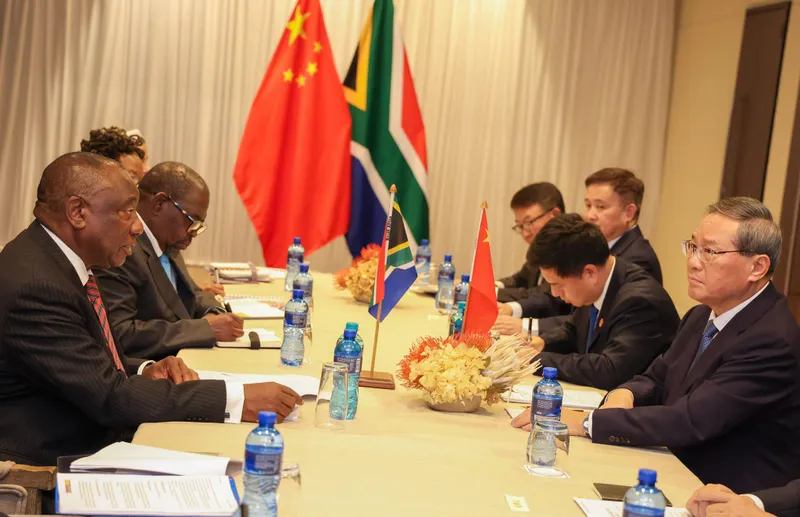
The article, written by policy analyst Dr. Reneva Fourie, celebrates the successful hosting of the G20 Summit in Johannesburg on November 22-23, 2025, as a testament to South Africa's national unity and resilience, overcoming apartheid's legacies through collective effort. It highlights the summit's logistical excellence and collaborative spirit across government, civil society, academia, and the private sector, positioning South Africa as a confident global player amid worldwide instability, economic pressures, and conflicts. Key achievements include the Leaders Declaration, which invokes Ubuntu to emphasize dialogue and responsibility, condemns terrorism, calls for ending conflicts in regions like Sudan, DRC, Occupied Palestinian Territory, and Ukraine, and balances condemnations with commitments to humanitarian law and civilian protection. The declaration prioritizes Global South and African developmental issues, addressing high public debt burdens on low-income countries by committing to reforms in the Common Framework, IMF, and World Bank debt sustainability mechanisms for transparency and fairness. It tackles energy poverty affecting over 600 million Africans by pledging finance for just energy transitions, tripling renewable capacity, and launching a voluntary platform for clean cooking solutions to combat health crises from unsafe fuels. The G20 Critical Minerals Framework affirms sovereign rights for inclusive growth, promoting local beneficiation and sustainable value chains to leverage Africa's resources for industrialization and jobs, shifting from exploitative models. Food security efforts support the African Union's Comprehensive Africa Agriculture Development Programme and the African Continental Free Trade Area to enhance productivity, regional integration, and climate resilience against disasters. Broader outcomes cover disaster resilience, non-discriminatory trade, technology transfer, AI governance on agreed terms, and reaffirmation of UN Charter principles like territorial integrity, fostering a multipolar, rules-based world order based on mutual respect. The U.S. absence did not derail the event, underscoring South Africa's independence and the Global South's readiness to lead. Overall, the summit symbolizes unity's power, elevates Africa's role in global discourse, advances equitable progress, and inspires national pride in achieving a more just international order.